Typename Template C++
Typename Template C++ - That means that we cannot separate the. Both expressions have the same meaning and behave in exactly the same way. The implementation (definition) of a template class or function must be in the same file as its declaration. Templates in c++ is defined as a blueprint or formula for creating a generic class or a function. A template with at least one parameter pack is called a variadic template. But a slight addition helps catch cases where you're calling this function with template arguments that don't make sense (e.g. Float) or that would result in messy compiler errors (e.g. Template < class identifier > declaration; Template<<strong>typename</strong> t, template<<strong>typename</strong>, int> class arr> class myclass2 { t t; This method for creating a function.
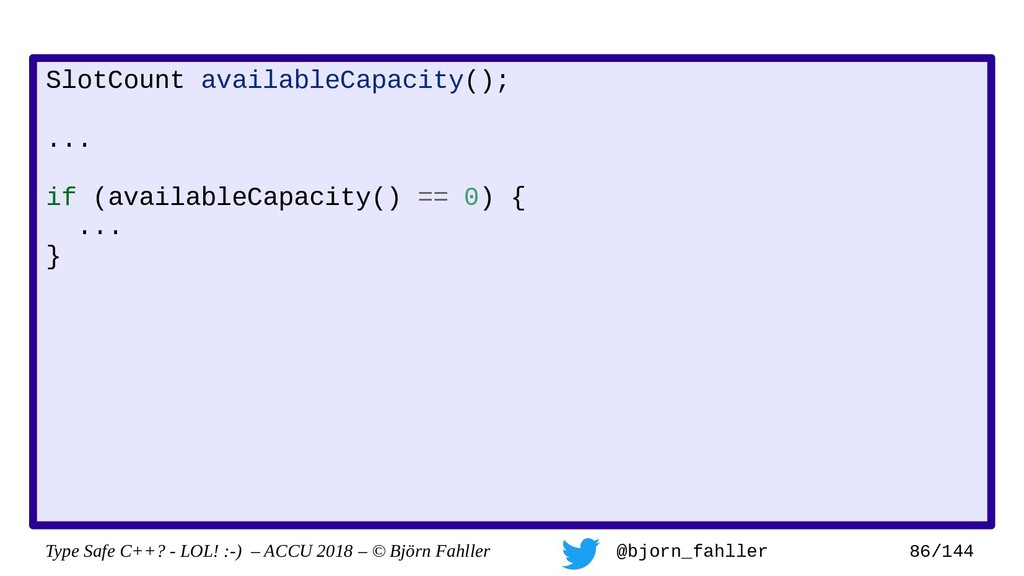
Type Safe C++? LOL! ) Speaker Deck
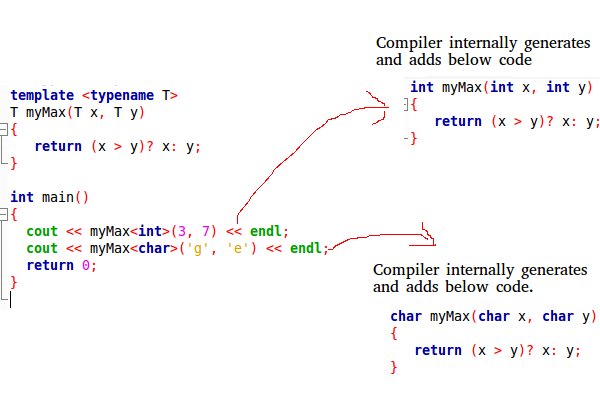
Templates in C++
[C++]ラムダ式と単項+演算子 地面を見下ろす少年の足蹴にされる私
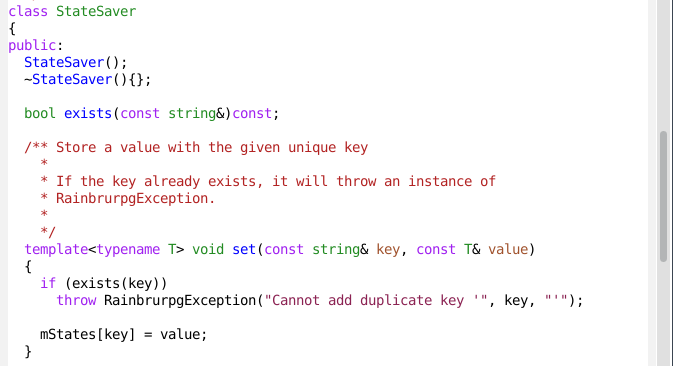
How to make a map of variant in C++

An introduction to C++ Templates C (Programming Language) C++

C++17 class template argument deduction not working correctly · Issue
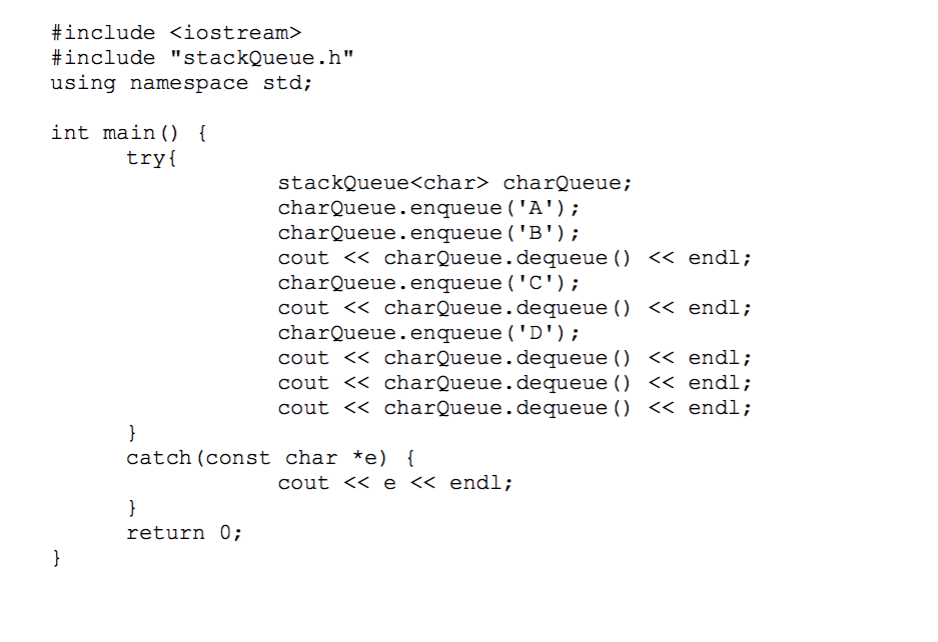
Solved IN C++ Pseudocode Also Needed And Time Complexity

How to load a TIFF image like a graph in C++ BOOST Stack Overflow
Although Templating On Types, As In The Examples Above, Is The Most Common Form Of Templating In C++, It Is Also Possible To Template On Values.
Template <<strong>typename</strong> t> t functionname(t parameter1, t parameter2,.) { // code } in the above code, t is a template argument that accepts different data types (int, float, etc.), and typename is a keyword. Schmidt stl pair helper class • this template group is the basis for the map& set associative containers because it stores (potentially) heterogeneous pairs of data together • a pair binds a key (known as the first element) with an associated value (known as the second element) template <<strong>typename</strong> t, typename u. Template < class identifier > declaration; Template < typename identifier > declaration;
Thus, For Example, A Class.
Generic programming is an approach to programming where generic types are used as parameters in algorithms to work for a variety of data types.in c++, a template is a straightforward yet effective tool. Templates in c++ is defined as a blueprint or formula for creating a generic class or a function. Is in an independent file with c++ code. The c++ stl douglas c.
Template< Typename T > Std::string Int_To_Hex( T I ) { // Ensure This Function Is Called With A Template Parameter That Makes Sense.
Float) or that would result in messy compiler errors (e.g. There is no difference between a type alias declaration and typedef declaration. That means that we cannot separate the. Templates are the basis for generic programming in c++.
A Function Parameter Pack Is A Function Parameter That Accepts Zero Or More Function Arguments.
Template<<strong>typename</strong> t, template<<strong>typename</strong>, int> class arr> class myclass2 { t t; } const t& get(int index) const { return m_array[index]; When the auto keyword is used as a parameter type in a normal function, the compiler will automatically convert the function into a function template with each auto parameter becoming an independent template type parameter. But a slight addition helps catch cases where you're calling this function with template arguments that don't make sense (e.g.